Medicare and Your Mental Health Benefits: What You Need to Know
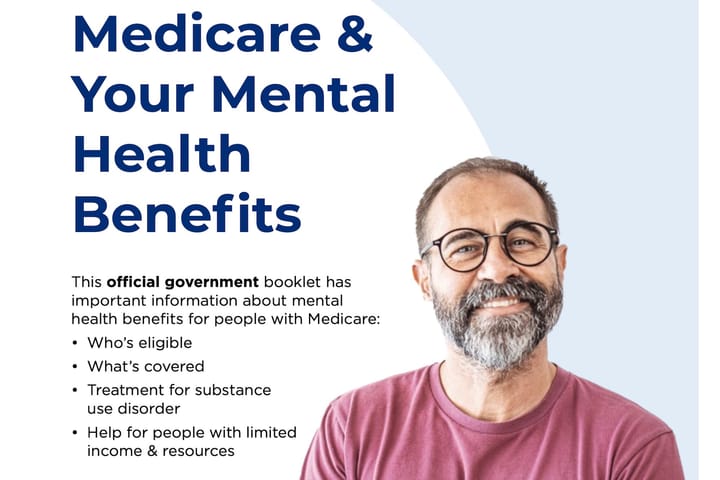
Medicare covers a wide range of mental health services including therapy, inpatient care, and prescription drugs. Learn how Parts A, B, and D work together to support your mental health and what protections you have as a Medicare beneficiary. Medicare publication 10184.
Who Should Read This
This publication is helpful for anyone who is currently enrolled in Medicare or will be enrolling soon. It is especially useful for people aged 65 and older, as well as younger people who qualify for Medicare due to a disability. If you or a loved one has ever dealt with depression, anxiety, or any other mental health condition, this publication applies directly to you.
Caregivers and family members who help manage the healthcare of a Medicare beneficiary will also find this information valuable. Whether you are new to Medicare or have been enrolled for years, understanding your mental health benefits can help you get the care you need.
Quick Overview
This publication from the Centers for Medicare and Medicaid Services explains what mental health services Medicare covers and how those benefits work. It covers inpatient care, outpatient care, and prescription drug coverage related to mental health treatment. The publication is written in plain language and is designed to help Medicare beneficiaries understand and use their mental health benefits with confidence.
Key Takeaways
- Medicare covers a wide range of mental health services, including therapy, counseling, and psychiatric care.
- Mental health coverage is available under Medicare Part A for inpatient hospital stays and under Part B for outpatient services.
- Medicare Part D helps cover prescription drugs used to treat mental health conditions.
- You have the right to receive mental health care from a variety of providers, including psychiatrists, psychologists, and licensed clinical social workers.
- Outpatient mental health services covered by Part B include individual and group therapy, as well as certain diagnostic evaluations.
- Medicare Advantage plans must cover the same mental health benefits as Original Medicare, and may offer additional services.
- Understanding your cost-sharing responsibilities can help you plan ahead and avoid unexpected bills.
Publication Summary
Mental Health Coverage Under Medicare Part A
Medicare Part A covers inpatient mental health care when you are admitted to a hospital or a psychiatric facility. This includes care you receive at a general hospital or a specialty psychiatric hospital. Part A helps pay for your room, meals, nursing care, and other services provided during your stay. It is important to know that there are limits on how many days Medicare will cover in a psychiatric hospital over your lifetime, so understanding these limits can help you plan your care accordingly.
Mental Health Coverage Under Medicare Part B
Medicare Part B covers a broad range of outpatient mental health services. These are services you receive without being admitted to a hospital. Part B covers visits with psychiatrists, clinical psychologists, clinical social workers, nurse practitioners, and physician assistants who provide mental health services. Individual psychotherapy, group therapy, family counseling when the goal is to help your treatment, and diagnostic evaluations are all covered services under Part B.
Part B also covers certain preventive mental health services. One important benefit is the yearly depression screening, which is covered at no cost to you when provided by a primary care doctor in a primary care setting. This screening helps identify depression early so that treatment can begin as soon as possible.
Prescription Drug Coverage for Mental Health
Medicare Part D covers prescription medications that are used to treat mental health conditions. This includes drugs for depression, anxiety, schizophrenia, bipolar disorder, and other conditions. Each Part D plan has a list of covered drugs called a formulary, and it is important to check that your medications are included in your plan's formulary. If a drug you need is not covered, you may be able to request an exception from your plan.
Mental Health Parity
An important protection for Medicare beneficiaries is the concept of mental health parity. This means that Medicare must treat mental health services similarly to how it treats other medical and surgical services. Outpatient mental health services are covered under the same cost-sharing rules as other Part B services, which means there is no higher coinsurance rate applied specifically to mental health care. This is a significant protection that ensures fair access to mental health treatment.
Finding Providers Who Accept Medicare
Not all mental health providers accept Medicare, so it is important to confirm that your provider participates in Medicare before scheduling an appointment. Medicare has an online tool called Care Compare that allows you to search for mental health providers in your area who accept Medicare. Choosing a provider who accepts Medicare assignment means they agree to accept the Medicare-approved amount as full payment, which can help you manage your out-of-pocket costs.
Medicare Advantage and Mental Health
If you are enrolled in a Medicare Advantage plan, also known as Part C, your plan is required to cover all the same mental health benefits as Original Medicare. Some Medicare Advantage plans may offer additional mental health benefits beyond what Original Medicare provides. It is a good idea to review your plan documents or call your plan to learn exactly what mental health services are covered and what your costs will be.
Getting Help With Costs
If you are having trouble affording your mental health care, there are programs that may be able to help. Medicare Savings Programs can help lower-income beneficiaries pay for their Medicare costs. Extra Help is a program that helps people with limited income and resources pay for Part D prescription drug costs. Contacting your State Health Insurance Assistance Program, known as SHIP, can connect you with free local counseling to help you understand your options.
Frequently Asked Questions
Does Medicare cover therapy and counseling for mental health?
Yes. Medicare Part B covers outpatient mental health services including individual therapy, group therapy, and family counseling when it is part of your treatment plan. Services must be provided by a Medicare-approved mental health professional.
Are mental health medications covered by Medicare?
Yes. Medicare Part D covers prescription drugs used to treat mental health conditions such as depression, anxiety, and schizophrenia. You should check your specific plan's formulary to make sure your medications are listed as covered drugs.
What is the difference between inpatient and outpatient mental health coverage?
Inpatient mental health coverage under Part A applies when you are admitted to a hospital or psychiatric facility for treatment. Outpatient mental health coverage under Part B applies to services you receive without being hospitalized, such as therapy visits or consultations with a psychiatrist.
Does Medicare cover depression screenings?
Yes. Medicare Part B covers a yearly depression screening at no cost to you when it is done by your primary care doctor in a primary care setting. This is a preventive service designed to catch depression early.
Do I pay the same amount for mental health visits as I do for regular doctor visits?
Under mental health parity rules, your cost-sharing for outpatient mental health services covered by Part B is generally the same as for other Part B medical services. This means you should not face higher out-of-pocket costs simply because you are seeking mental health care.
Access the Full Publication
| Standard Print (PDF) |
Publication Number: 10184
Publication Date: August 2025
Length: 24 pages