Medicare Coverage of Ambulance Services: What You Need to Know
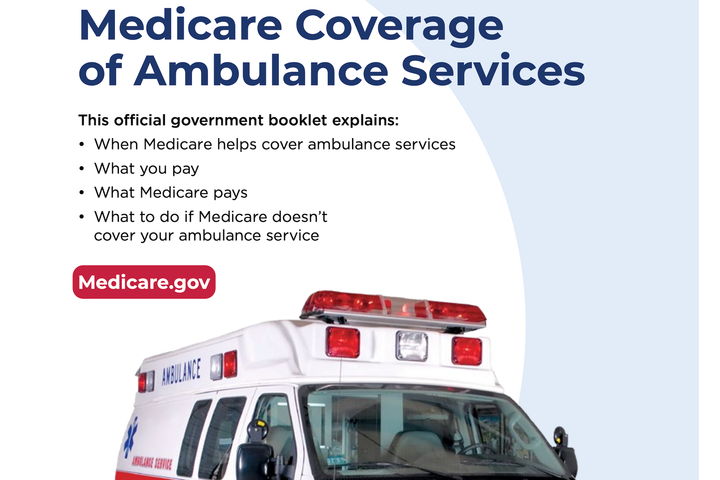
Learn how Medicare covers ambulance services, including ground and air transport. Find out what qualifies as medically necessary, what you may owe, and how non-emergency ambulance rides may also be covered under Medicare Part B. Medicare publication 11021.
Who Should Read This
This publication is helpful for anyone who has Medicare or is getting close to being eligible. It is especially useful for people aged 65 and older, as well as those under 65 who qualify for Medicare due to a disability or certain medical conditions. Family members and caregivers who help make medical decisions should also read this. If you or someone you care for has ever needed an ambulance ride or may need one in the future, this information is important to understand before a medical emergency happens.
Quick Overview
This Medicare publication explains when and how Medicare covers ambulance transportation. It covers both ground and air ambulance services and outlines the rules that must be met for Medicare to pay. The publication is written in plain language and is a short, easy-to-read guide for Medicare beneficiaries and their caregivers.
Key Takeaways
- Medicare covers ambulance services only when they are considered medically necessary.
- Both ground and air ambulance transportation may be covered, depending on your situation.
- Medicare Part B covers most ambulance services, not Part A.
- The destination of the ambulance ride matters — Medicare generally only covers transport to the nearest appropriate facility.
- You may owe a coinsurance amount and the Part B deductible for ambulance services.
- If a non-emergency ambulance ride is needed, a written order from your doctor may be required.
- Ambulance services that do not meet Medicare's rules may result in you paying the full cost.
Publication Summary
What Is Covered
Medicare Part B covers ambulance transportation when it is medically necessary. This means that other forms of transportation, like a car or taxi, would put your health at serious risk. Medicare covers both ground ambulance rides and air ambulance rides, including helicopter and fixed-wing aircraft transport.
Ground Ambulance Services
Ground ambulance transportation is covered by Medicare when your condition requires medical care during transport that only trained ambulance staff can provide. For example, if you are having a heart attack or a serious injury and need monitoring or treatment on the way to the hospital, a ground ambulance may be covered. Medicare pays for transport to the nearest hospital or facility that can treat your condition. If you choose to go to a hospital that is farther away, Medicare will only pay based on the cost to the nearest appropriate facility.
Air Ambulance Services
Air ambulance transportation, such as a helicopter or airplane, is covered when a ground ambulance cannot safely transport you due to your medical condition or because the terrain or distance makes ground transport not practical. Air ambulance services are more expensive than ground services, and coverage rules are strict. Medicare will pay for air ambulance only when it is medically necessary and the nearest appropriate hospital is used as the destination.
Non-Emergency Ambulance Transportation
Non-emergency ambulance rides can also be covered by Medicare in certain situations. If you are bedridden or your condition makes other transportation unsafe, a non-emergency ambulance trip may qualify. For some non-emergency trips, your doctor must provide a written order stating that the ambulance is necessary for your care. Without this order, Medicare may not cover the service.
What Is Not Covered
Medicare does not cover ambulance rides that are not medically necessary. For example, if you could safely travel by car or wheelchair van, Medicare would likely not cover an ambulance. Trips to a doctor's office that are not emergencies and that do not meet medical necessity rules are also typically not covered. If the ambulance service does not follow Medicare's coverage rules, you could be responsible for the entire cost of the trip.
Your Costs
When ambulance services are covered under Medicare Part B, you are generally responsible for paying 20% of the Medicare-approved amount after you meet your Part B deductible. If you have a Medicare Supplement plan, also known as Medigap, it may help cover these out-of-pocket costs. If you are enrolled in a Medicare Advantage plan, your costs may be different, and you should check your plan documents for details.
Advance Beneficiary Notice
If an ambulance company believes Medicare may not cover a particular trip, they are required to give you a written notice called an Advance Beneficiary Notice of Noncoverage, also known as an ABN. This notice lets you know that you may be responsible for the full cost if Medicare denies the claim. You should read this notice carefully before signing it so you understand what you may owe.
Filing Claims and Appeals
In most cases, the ambulance provider will file the claim with Medicare directly. If Medicare denies your claim, you have the right to appeal the decision. It is important to keep records of all your ambulance trips and any paperwork you receive from the ambulance company or Medicare.
Frequently Asked Questions
Does Medicare cover ambulance rides to any hospital I choose?
Medicare generally covers transport to the nearest appropriate facility that can treat your condition. If you ask to be taken to a hospital that is farther away, Medicare will only pay based on what it would cost to go to the closest appropriate facility.
Will Medicare cover an ambulance if I call 911 during an emergency?
Yes, Medicare Part B will cover emergency ambulance transportation if it is medically necessary. This includes situations where your health would be in serious danger using any other form of transportation.
What if my doctor says I need a non-emergency ambulance ride?
Medicare may cover non-emergency ambulance transportation if your condition makes other transportation unsafe and your doctor provides a written order confirming medical necessity. Without proper documentation, the ride may not be covered.
What happens if Medicare does not cover my ambulance ride?
If Medicare denies coverage, you may be responsible for the full cost of the ambulance trip. You have the right to appeal Medicare's decision if you believe the ride should have been covered.
Does Medicare Advantage cover ambulance services the same way?
Medicare Advantage plans must cover the same services as Original Medicare, but your out-of-pocket costs and specific rules may be different. Always check with your Medicare Advantage plan to understand your coverage and costs for ambulance services.
Access the Full Publication
| Standard Print (PDF) |
Publication Number: 11021
Publication Date: September 2025
Length: 16 pages