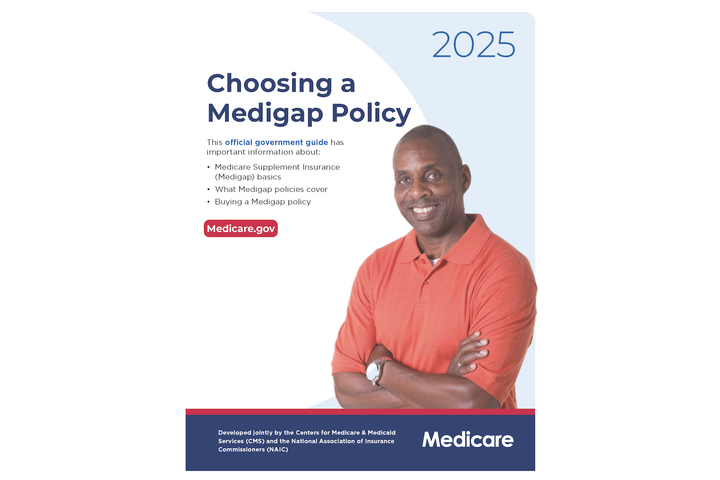
Choosing a Medigap Policy
Learn how Medigap supplements Original Medicare by covering out-of-pocket costs like deductibles and coinsurance. Compare standardized plans, understand enrollment periods, and discover when guaranteed issue rights protect your coverage options.
Who Should Read This
This guide is essential for anyone enrolled in Original Medicare (Part A and Part B) who wants to reduce out-of-pocket costs for medical services. It is particularly valuable for:
- Adults turning 65 who are enrolling in Medicare for the first time
- Current Medicare beneficiaries considering adding supplemental coverage
- People with Original Medicare who face high medical expenses
- Caregivers and adult children helping aging parents navigate Medicare decisions
- Individuals approaching their Medigap Open Enrollment Period
- Anyone comparing Medigap policies from different insurance companies
Quick Overview
This comprehensive guide explains Medigap (Medicare Supplement Insurance) policies that help pay healthcare costs not covered by Original Medicare, such as copayments, coinsurance, and deductibles. The publication covers how Medigap works, the different standardized plans available, enrollment periods, costs, and consumer protections. At 48 pages, this detailed resource provides the information needed to make informed decisions about purchasing supplemental Medicare coverage.
Key Takeaways
- Medigap policies are sold by private insurance companies to supplement Original Medicare, helping pay for out-of-pocket costs like deductibles, copayments, and coinsurance
- Medigap policies are standardized and labeled with letters (Plan A, B, C, D, F, G, K, L, M, and N), with each plan offering the same benefits regardless of which insurance company sells it
- The best time to buy a Medigap policy is during the 6-month Medigap Open Enrollment Period that begins when a person is 65 or older and enrolled in Medicare Part B
- Medigap policies only work with Original Medicare—they do not work with Medicare Advantage Plans
- Once a Medigap policy is purchased during the Open Enrollment Period, coverage cannot be denied or canceled due to health conditions as long as premiums are paid
- Medigap policies do not cover prescription drugs; a separate Medicare Part D plan is needed for drug coverage
- Costs for the same Medigap plan can vary significantly between insurance companies, making price comparison essential
Publication Summary
Understanding Medigap Insurance
Medigap, also called Medicare Supplement Insurance, is private health insurance designed to help pay some of the healthcare costs that Original Medicare does not cover. These out-of-pocket expenses include copayments, coinsurance, and deductibles. Medigap policies are regulated by federal and state law and must clearly identify themselves as Medicare Supplement Insurance.
How Medigap Works with Medicare
A Medigap policy works alongside Original Medicare. When receiving medical care, Medicare pays its share of the Medicare-approved amount for covered services, and then the Medigap policy pays its share. A person must have both Medicare Part A and Part B to purchase a Medigap policy. Importantly, Medigap policies only work with Original Medicare and cannot be used with Medicare Advantage Plans.
Standardized Medigap Plans
Medigap policies are standardized, meaning insurance companies can only sell plans with specific letter designations. In most states, there are 10 standardized plans: A, B, C, D, F, G, K, L, M, and N. Each standardized plan offers the same basic benefits regardless of which insurance company sells it. For example, Plan G from one company provides identical coverage to Plan G from another company, though the price may differ.
Plans C and F are no longer available to people who became eligible for Medicare on or after January 1, 2020. However, those who already have these plans can keep them. Plans K, L, M, and N offer different cost-sharing options that can result in lower monthly premiums but higher out-of-pocket costs when receiving care.
Massachusetts, Minnesota, and Wisconsin have different standardized Medigap plans that do not use letter designations.
Medigap Open Enrollment Period
The optimal time to purchase a Medigap policy is during the Medigap Open Enrollment Period. This is a one-time, 6-month period that automatically begins the first month a person is 65 or older and enrolled in Medicare Part B. During this period, insurance companies cannot use medical underwriting to deny coverage, charge higher premiums based on health conditions, or impose waiting periods for pre-existing conditions.
Outside of this enrollment period, insurance companies can use health information to decide whether to sell a policy and how much to charge. This makes coverage more difficult and expensive to obtain for people with health problems.
Guaranteed Issue Rights
Certain situations provide guaranteed issue rights, which means insurance companies must sell a Medigap policy without considering health status. These situations include losing employer coverage, moving out of a Medicare Advantage Plan service area, or having a Medicare Advantage Plan that stops providing coverage in the area.
Costs and Coverage Considerations
Medigap premiums vary based on the insurance company, the specific plan selected, and where a person lives. Three pricing methods are used: community-rated (same price for everyone regardless of age), issue-age-rated (based on age when first purchased), and attained-age-rated (increases as the policyholder gets older).
Most Medigap policies do not cover long-term care, vision care, dental care, hearing aids, eyeglasses, or private-duty nursing. Prescription drug coverage is not included in Medigap plans, so a separate Medicare Part D plan is necessary for medication coverage.
Consumer Protections
Federal and state laws provide important protections for Medigap policyholders. Insurance companies cannot cancel a Medigap policy as long as premiums are paid, even if health problems develop. Policies are guaranteed renewable. Additionally, households cannot have Medicare benefits paid for by both a Medigap policy and Medicaid, as it is illegal for anyone to sell a Medigap policy to someone with Medicaid coverage.
Frequently Asked Questions
What is the difference between Medigap and Medicare Advantage? Medigap is supplemental insurance that works with Original Medicare to help pay out-of-pocket costs like deductibles and coinsurance. Medicare Advantage is an alternative to Original Medicare offered by private companies that provides all Part A and Part B coverage and usually includes prescription drug coverage. A person cannot have both Medigap and Medicare Advantage at the same time.
When should I buy a Medigap policy? The best time is during the 6-month Medigap Open Enrollment Period that begins the first month a person is 65 or older and enrolled in Medicare Part B. During this period, insurance companies cannot deny coverage or charge more based on health conditions.
Do all Medigap plans with the same letter provide identical coverage? Yes. Medigap policies are standardized by federal law. Plan G from one company offers exactly the same coverage as Plan G from any other company. However, the monthly premium cost can vary significantly between insurance companies.
Does Medigap cover prescription drugs? No. Medigap policies do not include prescription drug coverage. A separate Medicare Part D plan is needed for medication coverage.
Can I be turned down for a Medigap policy? During the 6-month Medigap Open Enrollment Period, insurance companies cannot deny coverage based on health status. Outside this period, companies can use medical underwriting and may deny coverage or charge higher premiums based on health conditions, except in situations where guaranteed issue rights apply.
Related Publications
- Medicare & You 2026 (Publication 10050) - The official Medicare handbook covering all Medicare programs and services
- Medicare Costs for 2026 (Publication 11579) - Detailed breakdown of premiums, deductibles, and coinsurance
- Understanding Medicare Advantage Plans (Publication 10116) - In-depth guide to Part C options
Access the Full Publication
| Standard Print (PDF) | Large Print (PDF) |
Publication Number: 02110
Published: June 2025
Length: 48 pages